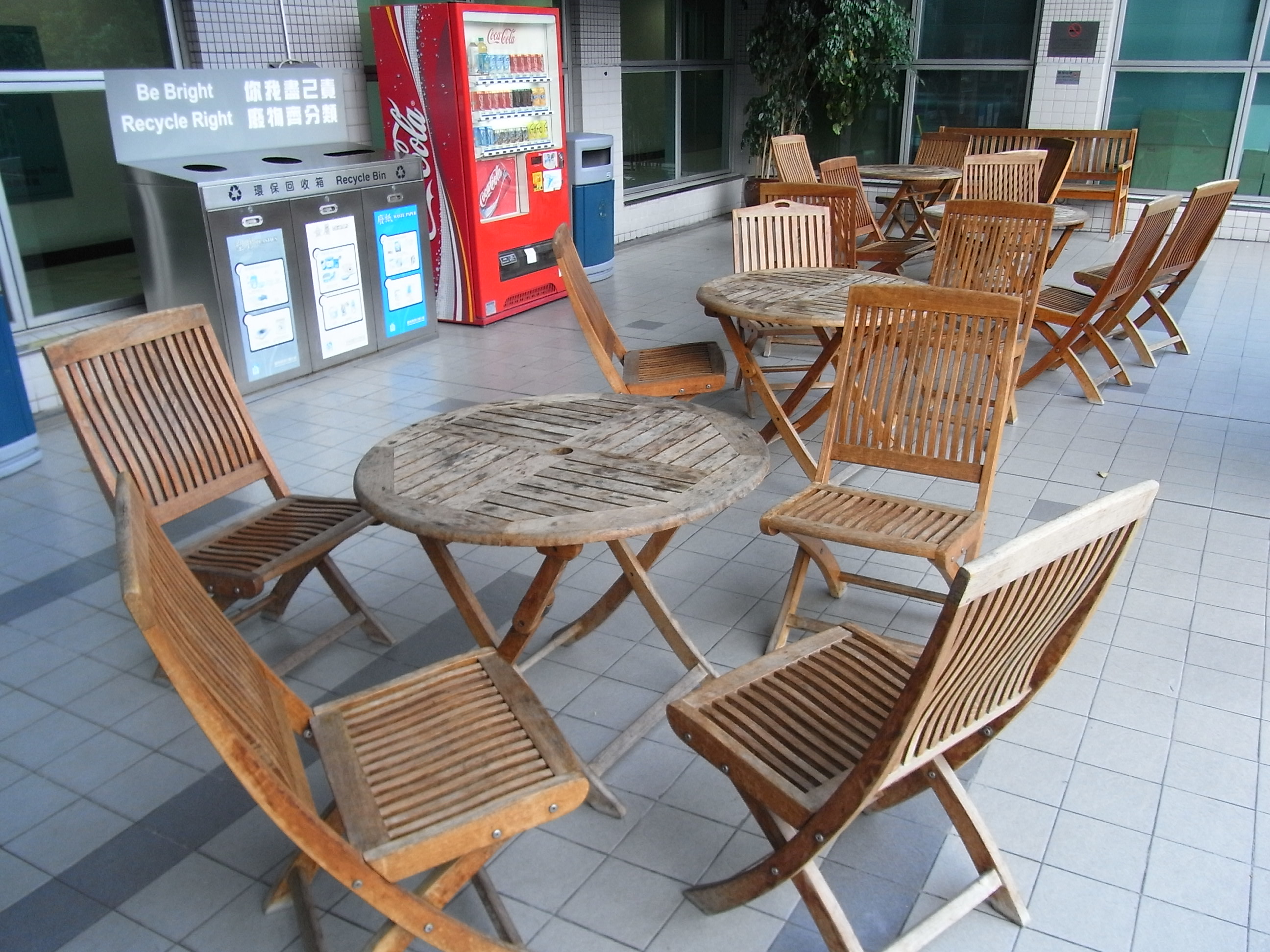
Fitting furniture onto a balcony of five to eight square metres is partly a geometry problem and partly a question of how the space gets used. A family in a Milan apartment may use the balcony for morning coffee; the same size balcony in a student flat in Bologna might sit empty for months. Furniture selection has a different answer in each case. What follows is a breakdown of the most common furniture categories available at Italian home and garden retailers, with notes on dimensions, weight, and practical suitability.
The Two-Seat Bistro Table
The bistro table — a round or square top measuring 60 to 70 cm across on a single pedestal or four legs — is the most space-efficient seated option for a small balcony. When chairs are pushed in, the whole unit occupies roughly 80 × 80 cm of floor area. Folding variants reduce this further when stored upright against a wall.
Materials commonly available in Italy:
- Wrought iron: heavy (table typically 8–12 kg), durable in outdoor conditions, available in many Italian markets. Requires rust-inhibiting paint every two to three years in humid coastal locations.
- Aluminium: lighter (4–6 kg), corrosion-resistant, more expensive than iron. Preferred for high-floor balconies where weight is a concern.
- Polypropylene resin: lightest option (2–3 kg), UV-stabilised versions hold colour well for three to five years, inexpensive. Stacks flat for winter storage.
Folding and Stacking Chairs
A standard outdoor dining chair requires roughly 55 × 60 cm of floor space when occupied. Two chairs beside a bistro table consume about half the usable area of a 5 m² balcony. The practical resolution is folding chairs that hang from a wall hook or stack flat when not in use. Several Italian chain retailers (including Leroy Merlin and IKEA Italia) stock outdoor-rated folding chairs in the 15–45 EUR range; the structural difference between options at this price point is mostly finish quality rather than load capacity.
Sling chairs — fabric suspended between an aluminium or powder-coated steel frame — are increasingly common in Italian outdoor sections. They weigh 3–5 kg, fold to about 10 cm depth, and tolerate rain without damage to the seating surface. The fabric does degrade under sustained UV exposure; replacement slings are available from specialist suppliers for most major brands.

Storage Benches
A storage bench positioned along the railing serves three functions simultaneously: seating, storage for cushions and gardening tools, and a raised platform for larger plant containers. Dimensions vary; the most useful formats for Italian balconies are 100–120 cm wide by 40–45 cm deep, which fits a standard cushion and provides 60–80 litres of internal storage.
Teak and acacia wood benches are the most common wood options at Italian retailers. Both weather to a silver-grey if left untreated, which many users find acceptable. Annual treatment with teak oil or a comparable wood preservative maintains the original colour and extends the service life by five to ten years. Polyrattan (synthetic rattan) models are lighter and require no maintenance but become brittle after four to six years in direct sun.
Vertical Space: Shelving and Railing Planters
Floor space on a small balcony is limited but vertical space is not. Modular shelving units designed for balcony use — typically 30–40 cm deep, 80–120 cm tall, and bolted to the wall — can hold plant containers, cushion storage, and small tools without adding to the floor footprint. Several units from Spanish and German manufacturers are available through Italian online retailers; the critical specification is the wall anchor rating, which should be confirmed against the wall material (hollow brick, solid concrete, or render over block) before installation.
Railing-mounted planter brackets are a separate category. Clip-on systems suitable for railings between 3 and 8 cm diameter allow planters to hang outward, freeing the floor entirely. Italian condominium regulations in some buildings restrict external modifications to facades and railings; checking the regolamento condominiale before installing railing-mounted planters is advisable.
What to Avoid
Full-size outdoor loungers are rarely practical on balconies under 10 m². At 70 × 190 cm, a single sun lounger occupies more than a quarter of a 5 m² balcony and cannot be used simultaneously with a table and chairs. Hammock chairs suspended from ceiling hooks require structural anchors into concrete — a modification that typically requires condominium board approval.
Heavy ceramic tile or concrete paving slabs as decorative floor covering add significant weight. A 3 × 2 m area of 2 cm thick porcelain tile on a 5 mm base adds roughly 90 kg — meaningful on older structures. Interlocking wood-composite decking tiles, which click together without adhesive and weigh about 5 kg/m², are a lighter alternative that can be removed without damage to the existing floor surface.
Weight and dimension figures above are indicative based on standard product specifications available in the Italian market as of early 2025. Verify current specifications with retailers before purchase. Always confirm structural suitability with a qualified engineer before adding significant loads to existing balcony structures.


